
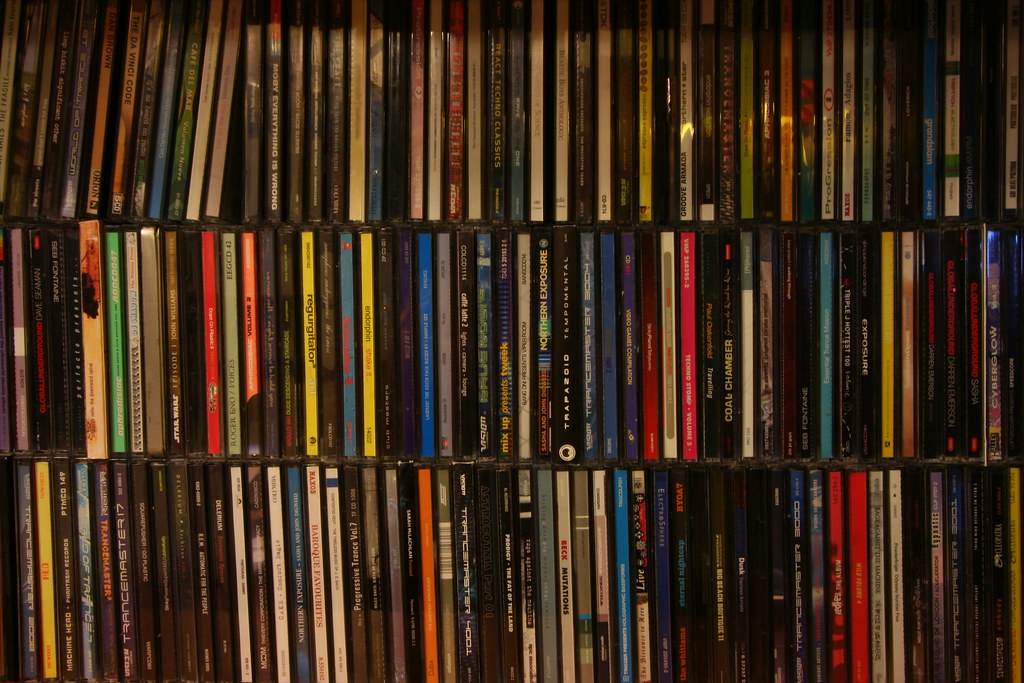
Sometimes my brain will latch onto a song and refuse to let go. I don’t just mean that I continuously hum it, although usually that’s true too. I can’t stop listening to the song on repeat when my brain gets like this. It is like having an itch where nothing but that song or artist can really scratch it. As someone who also prides themselves on finding new music, this is a super annoying habit to have. It will make me unable to focus on any other thing I am trying to listen to. The main way I have found to break this spell is to find music that sounds similar. If you find yourself only ever listening to one thing, or you know someone whose taste you would like to expand, this is a guide on how I find “music that sounds like…” without relying on a streaming service’s algorithm.
Artist Influences
For starters, one of my favorite methods for this is to find out artists that inspired the music I like. While artists often talk about this at length in interviews, a lot of artists have also begun to compile their own lists and playlists of influences. These playlists can usually be found on artists’ social media pages or streaming profiles. The influences of an artist can be such a gold mine for sounds that are new and still familiar, or new but contextualizes something that I have spent a lot of time with. Learning more about what influenced and inspired an artist can also lead to a deeper understanding of their art. So overall, it is an exercise I would highly recommend, even if you don’t find yourself particularly stuck on one sound or another.
Genre Investigations
Another fun way to get new music while also learning more about your favorite artist is sitting within a sound that is already comfortable and to investigate what else you can find out about that genre. Or, if your musician has a tricky relationship with the whole genre concept, genres they have identified with in the past. I would sort this strategy into three main categories: definers, contemporaries and unknowns. Genre definers are artists who were some of the first to create in a certain genre. In this category you will often find artists who helped invent the genre, or you may just find the people who named it.
One great example of this is the way that sarcastic music reviewers coined the genre shoegaze while talking about the live performances of bands like “Lush” and “Slowdive” in the 90s. Which reviewer specifically coined “shoegaze” is the subject of quite a lot of debate, but perhaps in another article it could be explored. These reviews led to the label becoming a popular way for listeners to refer to any music that was similar to what those bands created. While the label came after the genre’s start, its popularity shows the power of genre labels in creating new music scenes.
Contemporaries are musical acts that are closely associated with the artist of your focus. Usually this association is temporal, referring to bands active in the same genre at the same time. However, it can be fun to push this association further and look into things like bands that they have toured with or performed alongside or to look through their song catalogue for any collaborators. If the band is part of a larger label, giving other bands on the same label can have a lot of success when it comes to helping find bands you might like.
Finally, unknowns can be tricky to find. If the band you are interested in is older, finding modern artists who cite them as inspiration can be a way to find up and coming acts with a familiar sound. If the artist or genre is still pretty relevant, looking for smaller or even local bands who identify with that similar sound can be a great way to open doors into new musical experiences. If you become a fan of an artist that’s small or local, you can usually see them live pretty easily for far less than the average concert ticket.
Delving Into The Internet
There are also plenty of online tools that one can use for discovering music when using artists or albums you already love as a jumping off point. While I am not a fan of algorithms for finding new things to listen to, that does not mean I am anti-internet. Here are some ways I have found in the past to add some by-hand digging to your digital discovery.
Bandcamp, aside from being one way to directly support artists, has a lot of really neat features. One of these features is found when you click on an album and scroll to the bottom of the page. Depending on the artist you may see recommended albums that the artist recommends personally, accompanied by a short note with their thoughts on the album. This in particular is such a great feature because it lets you get music straight from the horse’s mouth.
Regardless of what the artist does, there is also a section at the bottom of the page listing other albums you may like. This style of recommendation can be indicative of algorithms, but on Bandcamp, this section of the page is filled by albums people who bought the starting album also bought, rather than a predictive algorithm that tries to sort you into a category based on your data. This keeps the human element of music sharing, especially because it lists how many fans specifically also bought the album in question, along with displaying a review written by another user of the website.
Another website where you can make recommendations work if you keep your eye out for the human element is RateYourMusic. RateYourMusic (stylized as RYM) is a music forum driven by user-written reviews, lists and ratings. RYM allows you to search by genre and then displays the top rated albums for that genre as well as lists compiled about that genre. Due to its history as a forum, its human elements are a lot more obvious than many other music websites. My favorite resource from here is definitely searching through the user created lists. It is one thing to see what a computer or a seasoned reviewer thinks goes together, it is a different ball game entirely to look through the categorizations that random people come up with. Sometimes the albums I get recommended are deranged, and other times they are pure gold. This gamble is a big part of the fun for me, and I have found a lot of unexpectedly pleasant surprises doing this.
The Mystery of the Vanishing Band
The last method for finding music similar to your other music is brought to you by a friend of mine. Searching for old artists or old bands started by people in your area or people whose music you already like can lead you to discovering some great music.
My friend has this weird knack for finding bands from around 2013 or so who dropped one banger of an album and then vanished forever. This keeps happening, and it is equally disappointing and exciting every time they are able to do it. In cases like these, my friend can break out their backup hobby, which is their uncanny ability to accidentally stumble upon what the band members ended up doing once the band dissolved. In most cases, an artist’s love for music doesn’t just vanish because of one failed project. Sometimes, we have discovered more bands started by the same people. More than once, this method has proved itself to be able to find some of that distinct sauce that the album from the original band had.
I sincerely hope that this advice can help you or the serial music repeater in your life find new and enriching music that you might not have ever known you would love. Remaining open to the new while embracing what kinds of things you already like can be a way to introduce yourself to new ideas while still remaining in your comfort zone. Of course, it is my wish that we all push ourselves outside of our comfort zones, because without doing that I never would have found many of the artists I now consider to be my favorite. Whatever you end up doing with this advice, happy listening.