
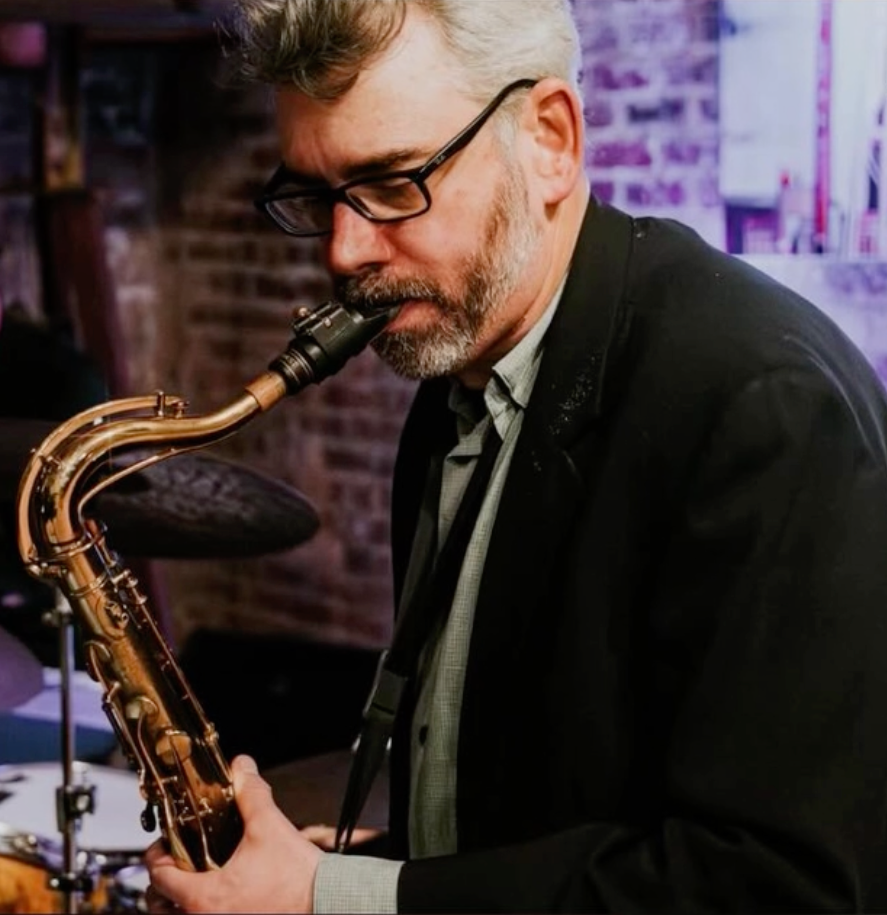
The Arts NOW Series lecture recital on Joshua Brinkman was one I attended for a class but ended up enjoying a lot more than I had expected. I know very little about the saxophone and the music genres that evolved alongside it. Dr. Brinkman’s lecture recital was a presentation on the technological and cultural backgrounds and evolutions of the saxophone. This presentation included slides on the origins of the saxophone, the differences between different saxophones, the historical significance of the saxophone in different genres and even live performances of two different saxophones and a clarinet, all performed by Dr. Brinkman himself.
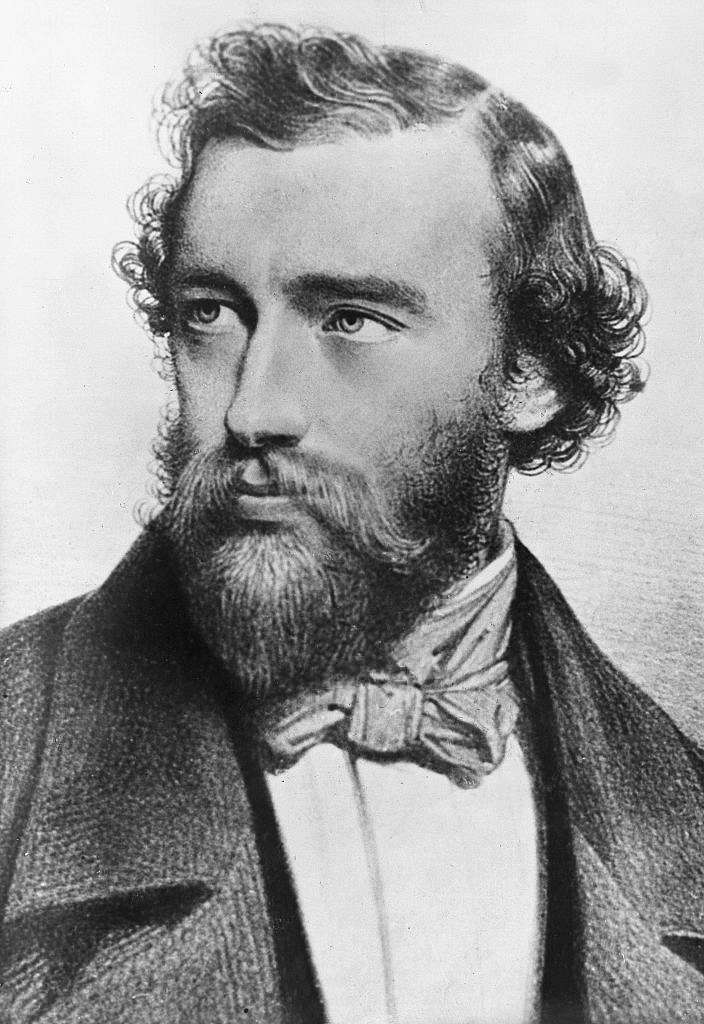
The saxophone was the brainchild of one Belgian musician and inventor by the name of Adolphe Sax. Seemingly, he designed many different musical instruments, all being named after himself in one way or another. The saxophone found its way into the spotlight when the French military added the instrument to their band, as a counter to the Prussian military band. Following the genre of European nationalism, it found its way to the United States and into the heart of jazz, and later the blues. The fact that the saxophone came from someone by the name of Sax is both comically amusing and quite telling of Sax’s personality. Building on the latter, the fact that Sax named all 14 of his thingamabobs after himself with some sort of descriptive ending indicates to me that Sax might have had a bit of an ego on him as well as a sense of whimsy (with endings like -ophone), unless that was just something of the times.
Apparently, while the musical instrument was picked up for military purposes in Europe, it became a “threat to whiteness” later in its timeline. The professor’s explanation of how the instrument was perceived by the general public over the years was a very good one and was easy to follow. As an aid to the presentation, Dr. Brinkman performed various saxophone styles, many with a basis in the blues scale. He demonstrated how the blues scale was and can be incorporated into several genres including jazz, blues, country and even modern pop in the form of “Uptown Funk” by Mark Ronson and Bruno Mars. Dr. Brinkman’s performance was captivating and impressive.
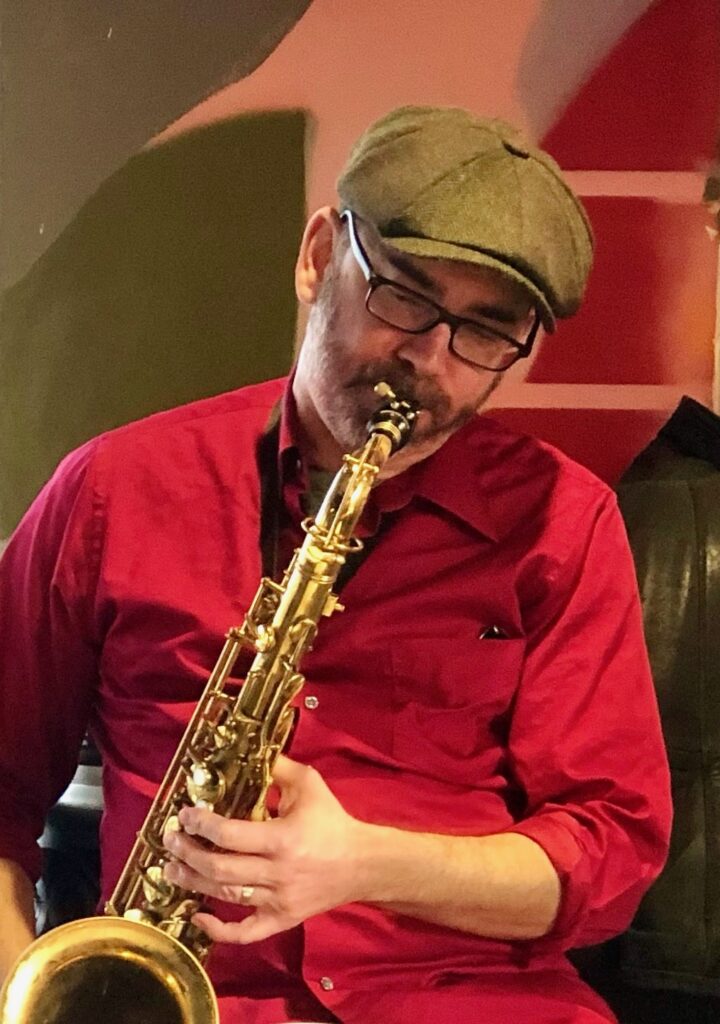
Dr. Brinkman explained how the white community had attempted to keep up with the trends and the hot music by incorporating the saxophone. However, the attempt fell on deaf ears. The saxophone music that they were producing and attempting to make more mainstream was significantly lacking in the kind of energy and artistic freedom that saxophone music had in the Black community. These musicians tried to make the music more disciplined, more calm, and more “elegant.” While there were some that were talented, the youth of the time were significantly more attracted to the music coming from Black bands and musicians. The songs were bumping with energy and had loads of improvisation. Dr. Brinkman explained how people considered jazz to be pulling society back into the age of primitivity. The music was also considered vulgar and sexualized, especially with the addition of growling saxophone techniques.
My regular readers know that I am a guitar player. One of the first things I learned about the guitar was the blues chords and scales. I may not be the biggest fan of the blues but I can always appreciate the scale and its implementation into other genres and instruments. I was really enjoying Dr. Brinkman’s demonstration of the blues and was thoroughly impressed. He was talking about rock n’ roll having come from the saxophone but there not being a “first.” I remember when I was growing up my father used to tell me that “(We’re Gonna) Rock Around The Clock” by Bill Haley & His Comets was the first true rock song. While I don’t know how accurate his statement is, the song does include a saxophone solo.
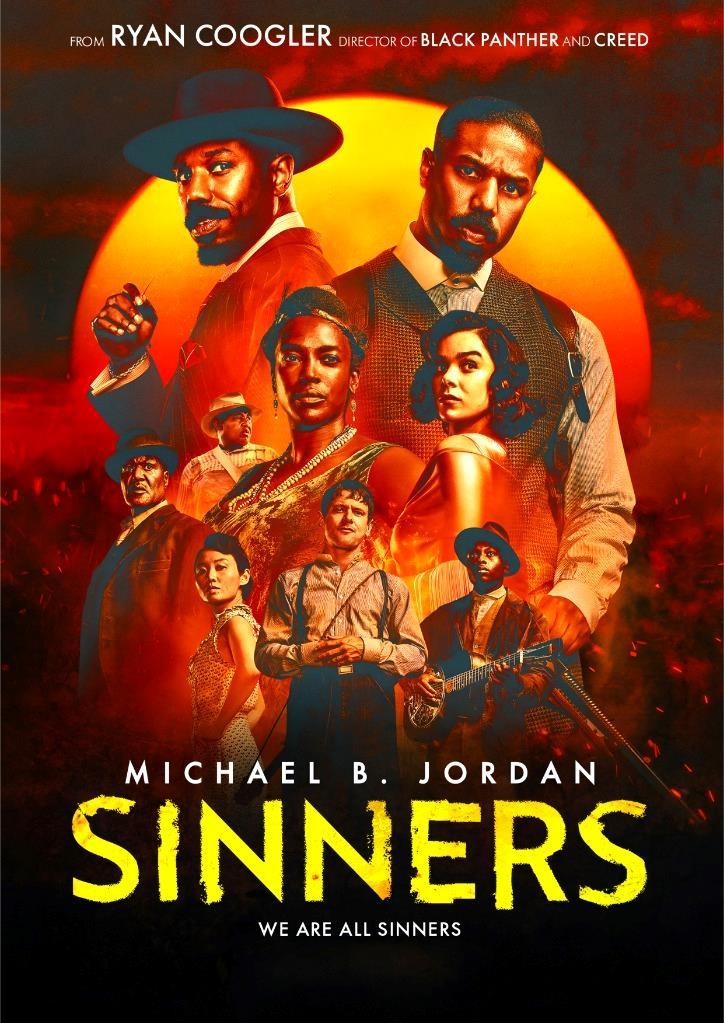
The last thing that had an impression on me was a thought I had had during the talk. The topic felt vaguely familiar and I realized I was really feeling like watching the new film “Sinners” which came out last summer. The whole plot was about music and great musicians being able to bridge the gap between the living and the dead. The film has a very strong basis on the blues and the Black population finding freedom in a world that didn’t really allow them to. Part of the film was a reference to the Irish and Italian gangs in Chicago. I was having this thought and maybe, maybe, a minute later, Dr. Brinkman began talking about the Irish and Italian gangs in Kansas City. Right at that moment, I realized that I absolutely needed to watch the film. And I did and like every other time I have watched the movie, I have thoroughly enjoyed it, especially with the background of the lecture/recital.
In the event that Dr. Brinkman headlines another lecture recital, I could confidently say that it will be well researched, well presented, and well performed. If nothing else, watching and listening to the saxophone performance live was almost chilling in awe-inspiring quality. There is no replacement for a live performance.
— dj dragonfly
